
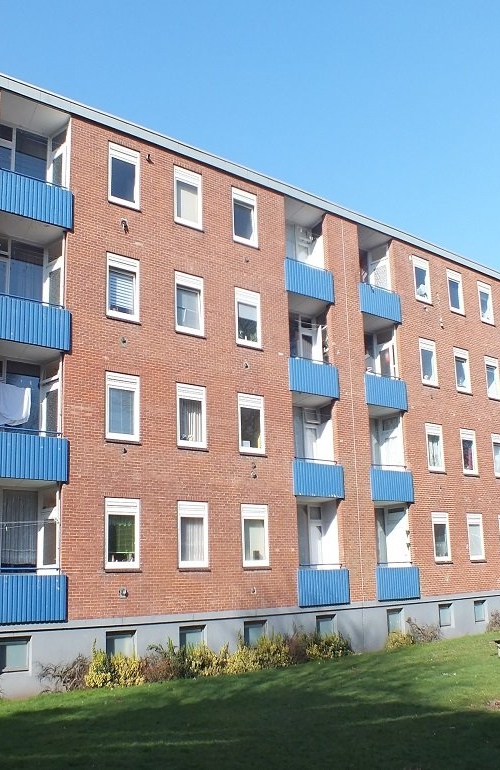
Gas systems in residential complexes
Receive a quote tailored to your needs
Determining the risk level
Safe gas use is often associated primarily with appliances. While proper maintenance of appliances is essential, safety involves a broader range of factors. When determining the risk level, we therefore look not only at maintenance frequency, but also at aspects such as ventilation, appliance positioning and the location of the flue outlet. All relevant parameters are collected to assess the safety level of a dwelling and recorded in a structured dataset. Once all data on gas appliances and their environment has been entered, the risk level is determined. We distinguish between the following levels:
Risk level |
Risk |
|
>1 |
Virtually no risk |
|
1 |
Very low |
|
2 |
Low |
|
3 |
Medium |
|
4 |
High |
|
5 |
Very high |
Individual dwellings and gas appliances
Using the method described above, we can quickly determine the risk level of residential complexes. This method can be extended to assess individual dwellings and specific gas appliances. Such individual assessments can form part of a sample-based safety inspection. Kiwa typically performs these assessments, but it is also possible to train your staff so that your organization can carry out evaluations independently.
Flue gas discharge systems
In many older residential complexes, gas appliances are connected to a shared flue gas discharge system. These systems were originally designed for appliances with high flue gas temperatures. Replacing older appliances with modern units is therefore not always possible. Condensation formed by modern high-efficiency appliances, and often also by conventional units, can accumulate in masonry flues, leading to moisture issues and deterioration of the flue. To assess the current internal condition of such systems, our safety experts carry out visual inspections using inspection cameras that provide high-resolution images of critical details. Based on these findings, we determine how existing flue systems can be used when replacing appliances.
Other components of the gas installation
In addition to the above, we assess the gas tightness and overall quality of internal gas pipework. We also evaluate combustion quality, including carbon monoxide levels in the flue gases.
Condition assessment of gas installations
Over time, gas installations require increasing maintenance due to aging. A lack of maintenance can lead to unsafe situations. Our specialists assess the condition and operational integrity of gas installations, starting with a safety evaluation. This includes examining the condition of air supply systems and flue gas discharge systems.
We can also take this further by identifying which installations will need replacement in the coming years. In doing so, we outline replacement options and provide an indication of associated costs. We can also support you in developing a multi-year investment plan.
Following our assessments and recommendations, you will be able to:
- Make a well-founded assessment of the safety of gas systems in your residential complex
- Develop a structured replacement strategy for your gas installations
- Submit effective and well-substantiated investment proposals
- Ensure the safety of your residents, now and in the future
- Determine whether your expenditures on gas installations, installation and maintenance, are justified
Dutch housing legislation
Dutch housing legislation ensures compliance with and enforcement of building regulations. Within this framework, violations of building regulations may be subject to penalties under the Economic Offences Act. The legislation also includes a duty of care, requiring owners and users to prevent situations that could pose a risk to health or safety, or allow such situations to persist.
Getting a grip on gas
Actively keeping track of the complete design, installation and management cycle for gas systems owned by housing associations is often difficult by the involvement of many different parties. As a result, housing associations can lose control. Kiwa Technology can help housing associations to regain full control.
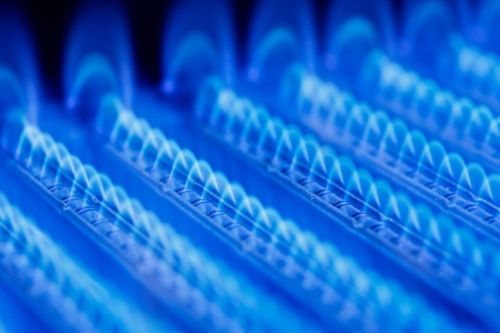
Boiler room under ground level
Certification of a boiler room under ground level is intended to reduce the probability of a gas explosion in the boiler room to a significant extent. This is achieved by implementing additional measures.
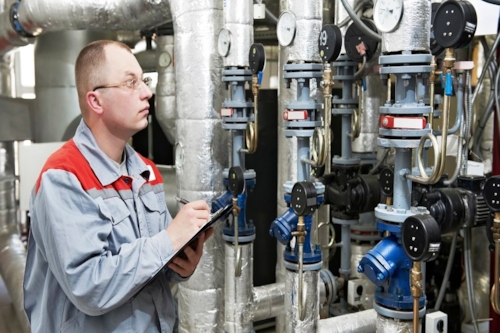
Accidents and Incidents Analysis
The independent investigation of incidents enables them to be used objectively as lessons to be learnt for the future. By learning from incidents, the correct measures can be taken to reduce these. For gas network operators in the Netherlands, Kiwa Technology provides a call-out service that can be reached 24/7.