Medical Devices News

A practical view on MDR and its challenges

Since the introduction of MDR (EU) 2017/745, many manufacturers describe the regulation as demanding and time-intensive. And while MDR is thorough by design, many of the hurdles companies face stem from fragmented processes rather than the regulation itself.

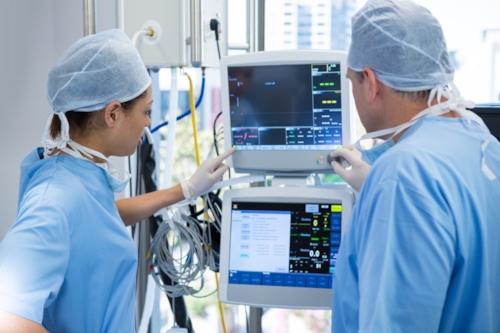
Doctors at work monitoring vital signs on a monitor

Staying Aligned: Why Timely Notification of Change Matters in Medical Device Certification

At Kiwa Assurance, we recognize that innovation is a constant in the medical device industry. But change comes with responsibility—especially when it comes to maintaining compliance under the MDR and ISO 13485. That’s where our Notification of Change (NoC) process plays a vital role.

Why Timely Notification of Change Matters in Medical Device Certification

At Kiwa Assurance, we recognize that innovation is a constant in the medical device industry. But change comes with responsibility—especially when it comes to maintaining compliance under the MDR and ISO 13485. That’s where our Notification of Change (NoC) process plays a vital role.

Impact of the AI-act on your medical device

Any medical device that makes use of software, or is a software in itself (MDSW), could potentially fall under the Regulation 2024/1689 (informally known as ‘AI act’), if the software, or part of it, meets the definition as laid down in this Regulation*. For devices falling under the AI Act, the deadline of August 2, 2027, is fast approaching, considering the timelines for conformity assessment.  

Navigating conformity assessment routes in the MDR.

Under Article 52 and Annexes IX through XI of the Medical Device Regulation (MDR), it is the legal manufacturer's responsibility to select the appropriate conformity assessment route. However, as a Notified Body, we often observe confusion regarding what these assessments entail and which route is best. The correct choice depends on the device classification and the level of control the manufacturer maintains over design and production.

Partnering for Quality: What you should know about our quality system and certification process.

As a medical device manufacturer, choosing the right Notified Body is a critical strategic decision. You need a partner that not only understands the regulatory landscape but also operates with the highest standards of quality. It's not just about ticking boxes, it's the bedrock of trust we build with you, the medical device manufacturer, ensuring that when we give a medical device the thumbs up, it's genuinely safe and performs as it should.

Stack of paper documents secured with binder clips on a desk, symbolizing office work and organization

AIB 2025-1 MDCG 2025-6 : A Guiding Document for AI-Powered Medical Devices

The AIB 2025-1 MDCG 2025-6 guidance document represents a major milestone for medical device manufacturers across the European Union. It clarifies the interplay between the Medical Device Regulation (MDR), In Vitro Diagnostic Medical Device Regulation (IVDR), and the newly adopted Artificial Intelligence Act (AIA, offering comprehensive direction for compliance in this emerging landscape.

AIB 2025-1 MDCG 2025-6 : A Guiding Document for AI-Powered Medical Devices

EMDN Codes: Hierarchical Structure and Application

Under the European Union's medical device regulations, MDR (EU 2017/745) and IVDR (EU 2017/746), it has become mandatory for all devices to be included in a common classification system. This classification system is defined as the European Medical Device Nomenclature (EMDN) and plays a critical role in the placing of devices on the market, traceability and technical file content.

Post-Market Surveillance: Key Considerations for Medical Device Compliance

Post-market surveillance (PMS) has undergone significant transformation under the Medical Device Regulation (MDR) in Europe. It marks a new era in the monitoring and reporting of medical device safety and performance. This set of requirements emphasizes the proactive collection and analysis of medical device-related data after a product is placed on the market, allowing manufacturers to reassess the safety and effectiveness of their medical devices continuously.

Article

Overview of AI-Enabled SaMD and SiMD Devices

Artificial Intelligence (AI)-based software medical devices are revolutionizing the healthcare sector in diagnosis, treatment, and patient management. AI-powered Software as a Medical Device (SaMD) and Software in a Medical Device (SiMD) applications cover a wide range of solutions, from medical decision support systems to patient monitoring tools.

Medical equipment close-up in a healthcare facility, displaying vital signs on a monitor, with healthcare professionals in scrubs and masks in the background

Medical Devices

Medical devices manufactured or traded in the EU must comply with EU legislation in safety and health. This means they must be conformed to the pertaining product directives and regulations and must be CE marked.

Stay Connected with Kiwa Medical

Follow our Kiwa Medical showcase on LinkedIn for the latest updates on healthcare standards, certifications, and innovations. Join the conversation and stay informed!

Contact us

Would you like to know more about our services in the field of Medical devices? Please contact us using this form.